
September in Tallahassee carries a familiar rhythm of football, cooler mornings, and the gradual return of indoor gatherings. It also marks the start of flu season, a transition that deserves more attention for older adults than it typically gets before symptoms show up.
Flu prevention for seniors is worth thinking about now, before the season peaks, because the decisions made in early fall tend to shape how well older adults weather the months ahead.
Adults 65 and older account for an estimated 50% to 70% of flu-related hospitalizations in the United States. The 2024-2025 flu season reinforced why that figure matters.
The Centers for Disease Control and Prevention (CDC) classified it as a high-severity season across all age groups, the first such classification since 2017-2018, and older adults bore a disproportionate share of the impact.
Early preparation is one of the most practical things a family can do for an older adult they care about.
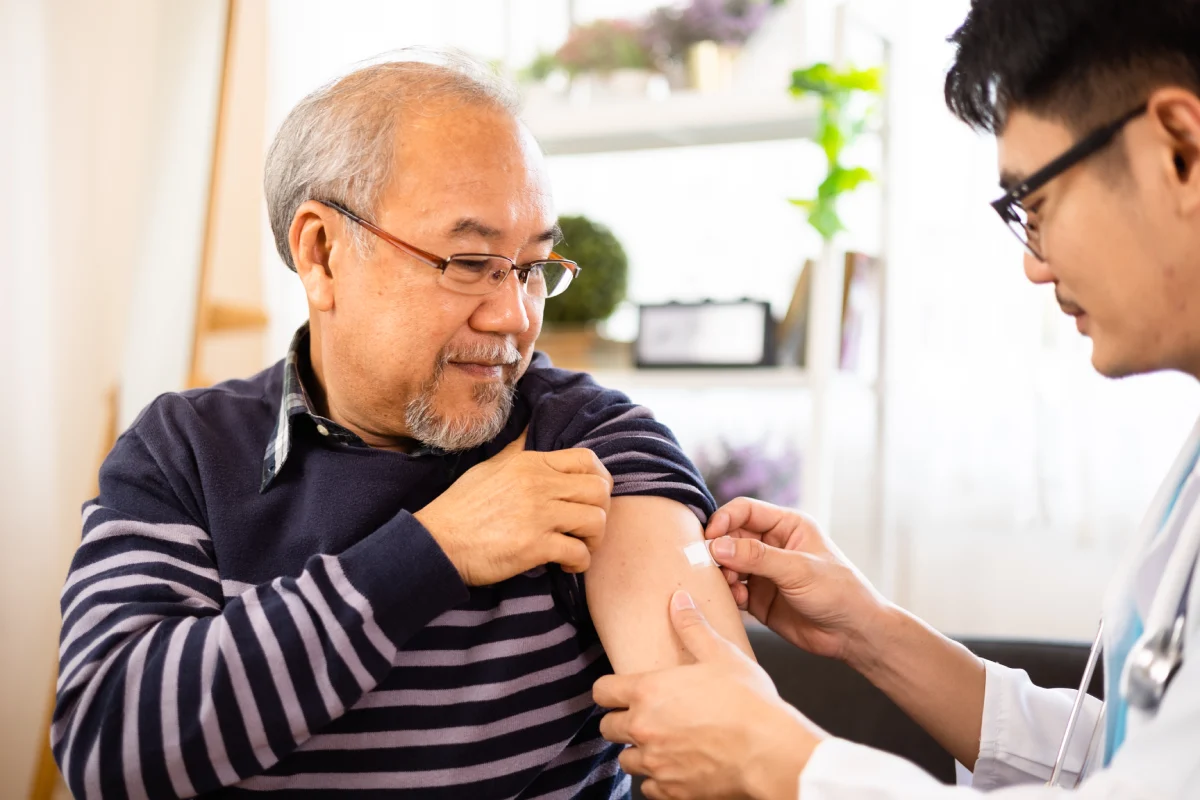
Why older adults face greater risk during flu season
The flu is a respiratory illness caused by influenza viruses that circulate seasonally, typically peaking between December and February in the United States, though infections begin well before that window. For most healthy adults, the flu means several uncomfortable days and a gradual return to normal activity.
The picture is more complicated for older adults.
The immune system naturally becomes less responsive with age, which means the body has a harder time both fighting off the virus and responding to a vaccine as strongly as it once did.
Chronic conditions that are more common in older adults, including heart disease, diabetes, and lung conditions, can be destabilized by a flu infection, turning what might be a manageable illness in a younger person into something requiring hospitalization.
Several factors that make flu season more consequential for older adults include:
- A less responsive immune system that is slower to recognize and fight new infections
- Chronic conditions that can be worsened significantly by even a moderate flu infection
- A greater likelihood of developing complications such as pneumonia, which can follow a flu illness and be serious in its own right
- A longer recovery period that can affect mobility, nutrition, and overall well-being beyond the acute illness itself
Understanding these risks is the foundation for understanding why prevention measures that might feel optional for younger adults are genuinely meaningful for those 65 and older.
When to act and what to do
The CDC recommends getting a flu shot by the end of October to ensure protection before the season typically peaks. September is also recommended, but July or August is too early. That said, getting vaccinated later in the season still provides meaningful benefits. Any time is better than no time.
For older adults specifically, the CDC and its Advisory Committee on Immunization Practices (ACIP) recommend that adults 65 and older receive one of three higher-dose or adjuvanted vaccines rather than a standard shot.
The three recommended options are:
- Fluzone High-Dose
- Flublok
- Fluad
These formulations are designed to produce a stronger immune response in older adults, whose immune systems may not respond as vigorously to a standard dose. Families should confirm the right option with their loved one’s physician, as individual health circumstances vary.
Beyond the flu shot, everyday habits that support cold and flu prevention for seniors include:
- Washing hands thoroughly and frequently, particularly before meals and after being in shared spaces
- Avoiding close contact with anyone who is showing signs of illness, even mild symptoms
- Keeping commonly touched surfaces clean, including phones, remotes, and door handles
- Staying well hydrated and maintaining regular sleep patterns, both of which support the immune system’s ability to respond to illness
These habits are straightforward, but their cumulative effect on how well older adults move through flu season is real.
How to prepare for flu season
Preparing for flu season as a family looks different depending on whether an older adult is living at home or in a senior living community.
For those aging at home, the burden of preparation falls largely on the individual and their family, including scheduling and attending a vaccine appointment, monitoring symptoms, and knowing when to seek medical attention.
Staying healthy during flu season for older adults living at home involves a few additional considerations worth building into the fall routine:
- Scheduling a flu shot appointment in September, before schedules fill and before the season peaks
- Confirming that any household members who have regular contact with the older adult are also vaccinated, since those around them are a primary exposure route
- Keeping a thermometer, tissues, and a supply of preferred fluids on hand so that early symptoms can be monitored without an immediate trip out
- Knowing the difference between flu symptoms, which typically include fever, body aches, fatigue, and respiratory symptoms, and a common cold, which tends to be milder and slower in onset
Having a plan before symptoms arrive makes the early days of an illness easier to manage for both the older adult and the family members supporting them.
How Sodalis Tallahassee approaches flu season
Sodalis Tallahassee offers assisted living and respite care for families across Leon County. Flu season is something our team prepares for throughout the fall, because protecting one resident supports the health of the entire community.
Our approach to staying healthy during flu season is built around prevention rather than reaction. When residents, team members, and the families who visit regularly all take the seasonal flu shot seriously, the risk of an outbreak circulating through a shared community decreases significantly.
That community-wide diligence is one practical advantage of a structured senior living setting compared with an older adult navigating flu season at home without that same coordinated effort around them.
What flu season preparation looks like at our community:
- Encouraging and supporting residents in receiving their seasonal flu shot early in the fall, in coordination with their individual physicians
- Team member vaccination as a standard part of our approach to resident health throughout the season
- Attentive monitoring for early symptoms among residents so that illness is identified and addressed before it spreads
- Clear communication with families when health conditions in the community warrant it, keeping loved ones informed without unnecessary alarm
For Leon County families evaluating senior living options, flu-season readiness is one practical topic worth asking about during a community tour. How a community prepares for and responds to seasonal illness reflects a great deal about how it operates across the board.